Williams Cancer Institute

Colon and Rectal Cancer

For the colorectal cancers standard immunotherapy can't see.

About 19 in 20 colorectal cancers that have spread are invisible to standard immunotherapy. We break the tumor open with a needle and inject immune drugs, aiming to invite your immune system in. Colorectal cancer that has spread, and that standard immunotherapy cannot see.

A few questions, about two minutes. Your details are only asked for after the check. Records review is free. Treatment is in Los Cabos, Mexico, and is private pay.

What we do
AblationVaxTreat the tumor. Teach the immune system. Treat locally, act globally.Everything we do is built on AblationVax, the approach Dr. Williams developed: the tumor is treated through a needle (ablation), and the treated tumor becomes an in-situ vaccine: a vaccine made inside your body, from your own cancer.

Show the immune system the tumor it missed

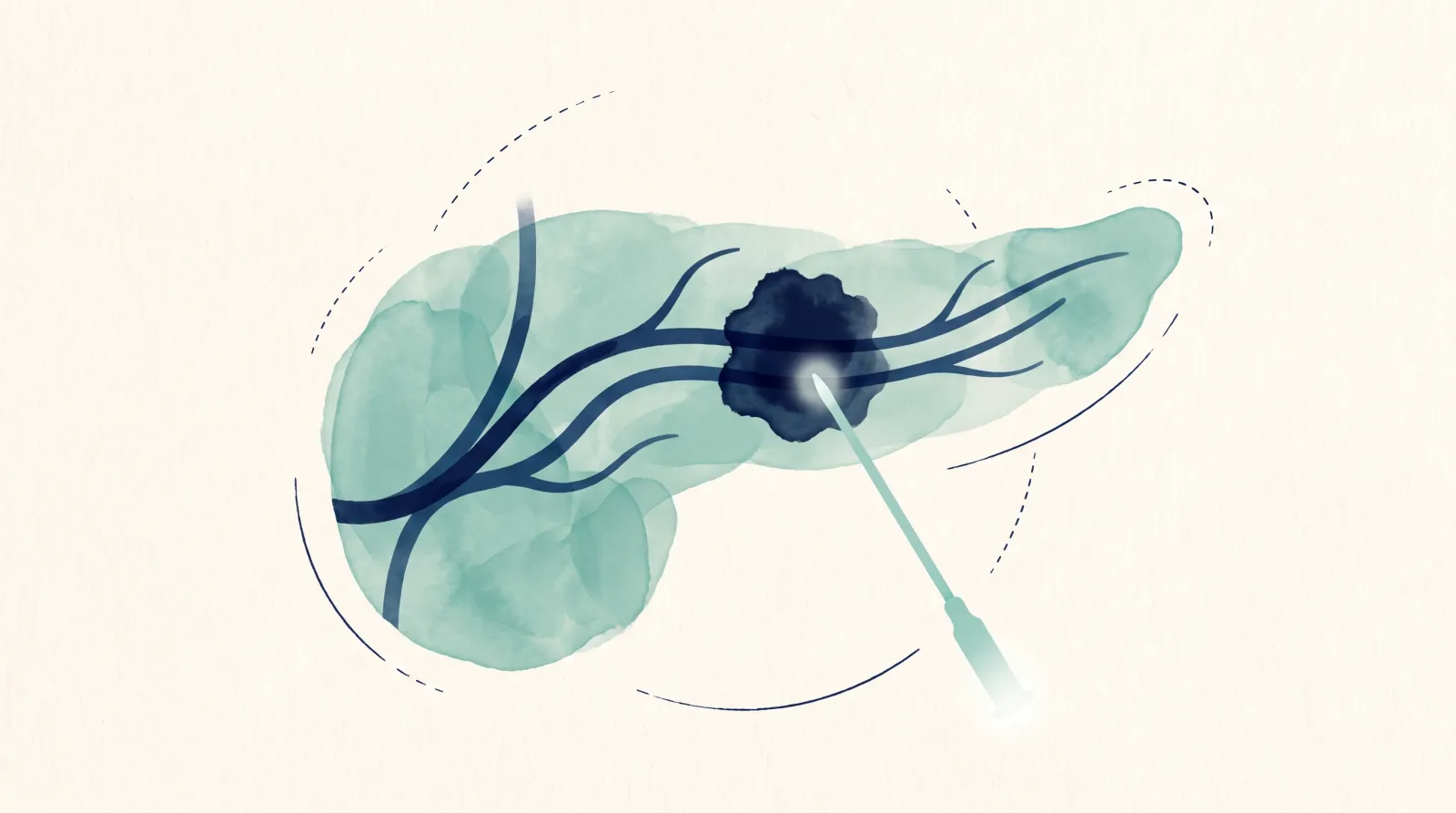
Most colorectal cancers keep immune cells out, so standard immunotherapy drugs have little to work on. Your pathology report calls this type MSS (microsatellite-stable). A needle breaks the tumor open by freezing or with electrical pulses and injects immune drugs into it. It works alongside your current treatment, not in place of it.

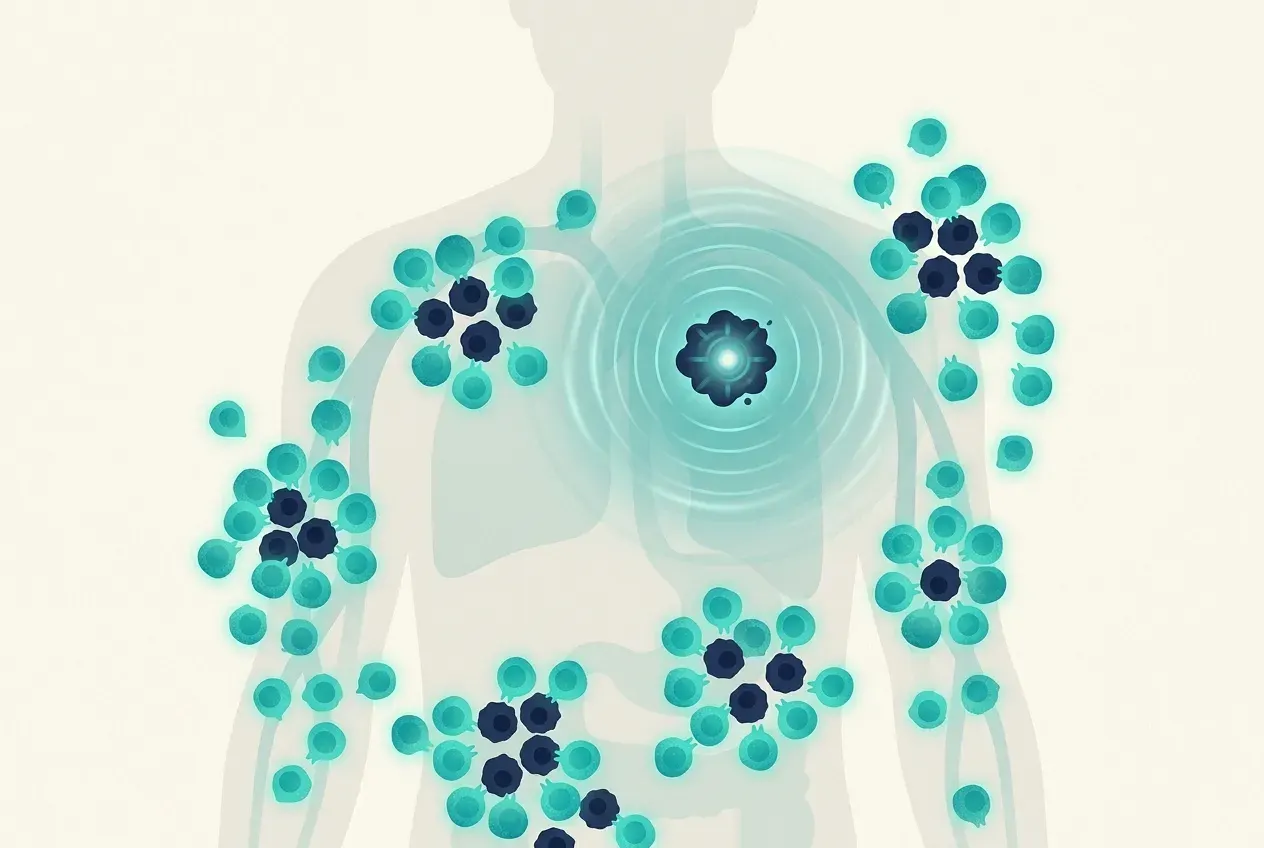
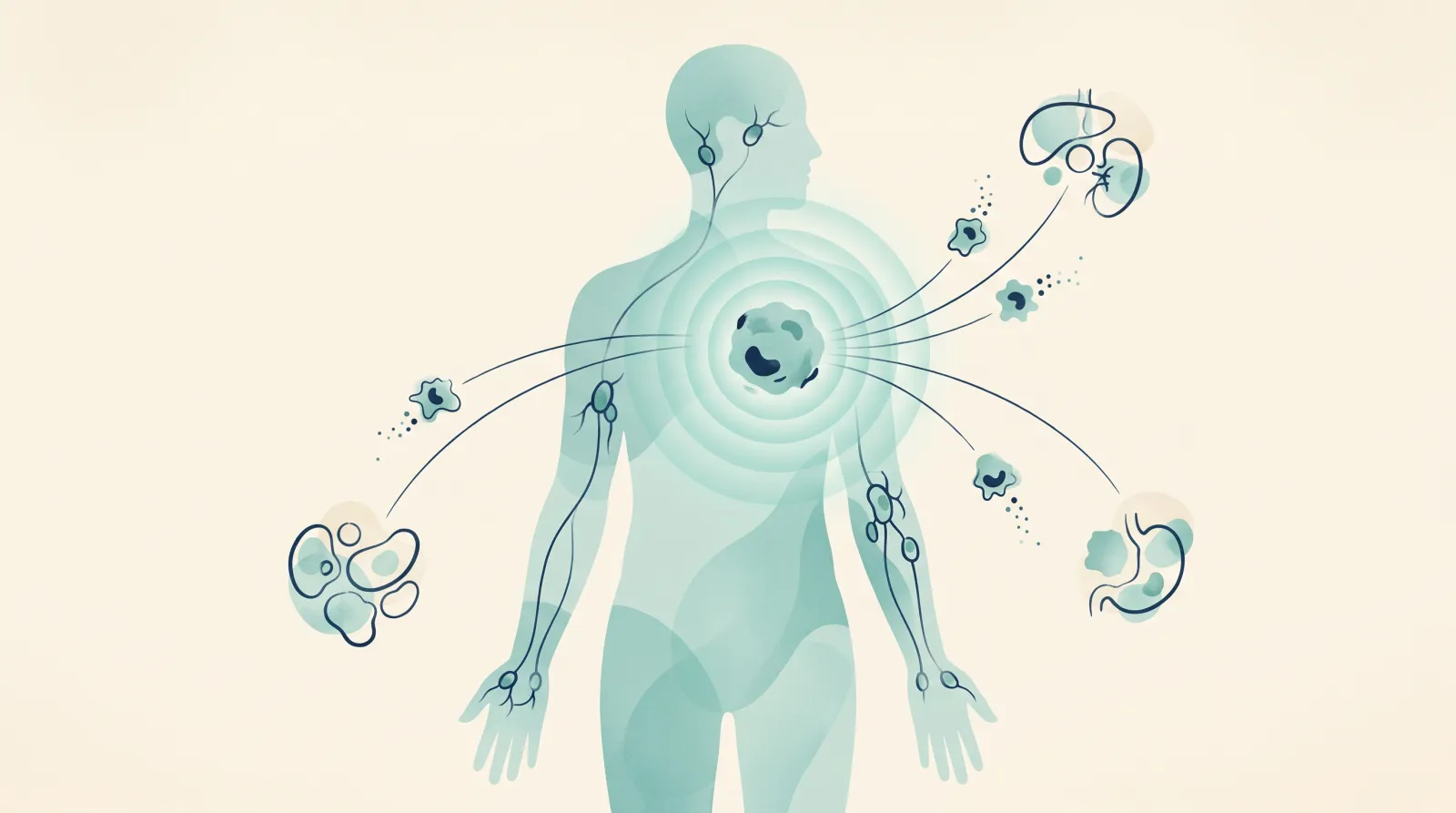
The immune drugs placed in the tumor teach the immune system to recognize this cancer, the way a vaccine does. You teach the immune system in one spot, and it goes after the same cancer in the rest of the body.

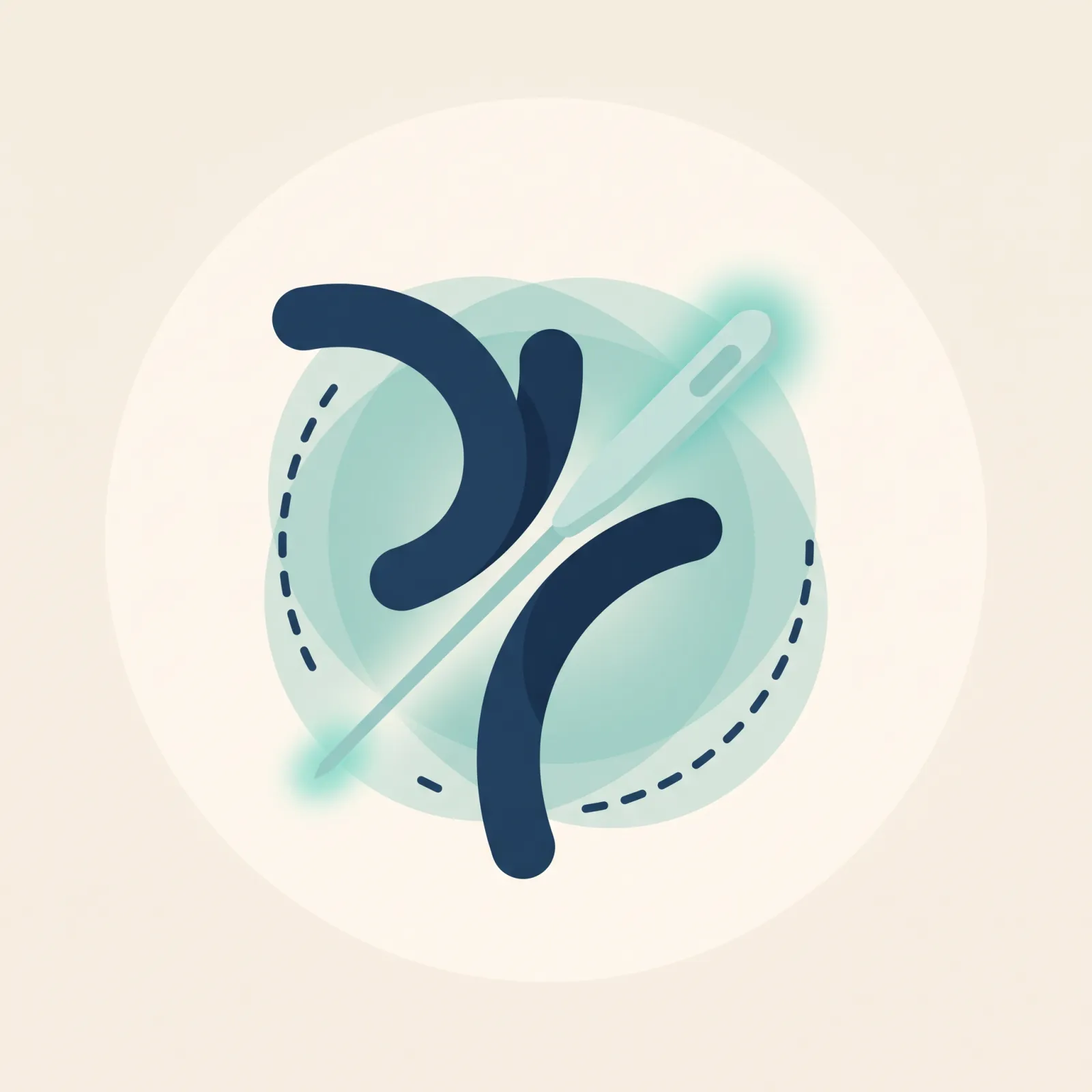
1Break it openA needle treats the tumor where it sits and breaks it open, releasing its antigens.
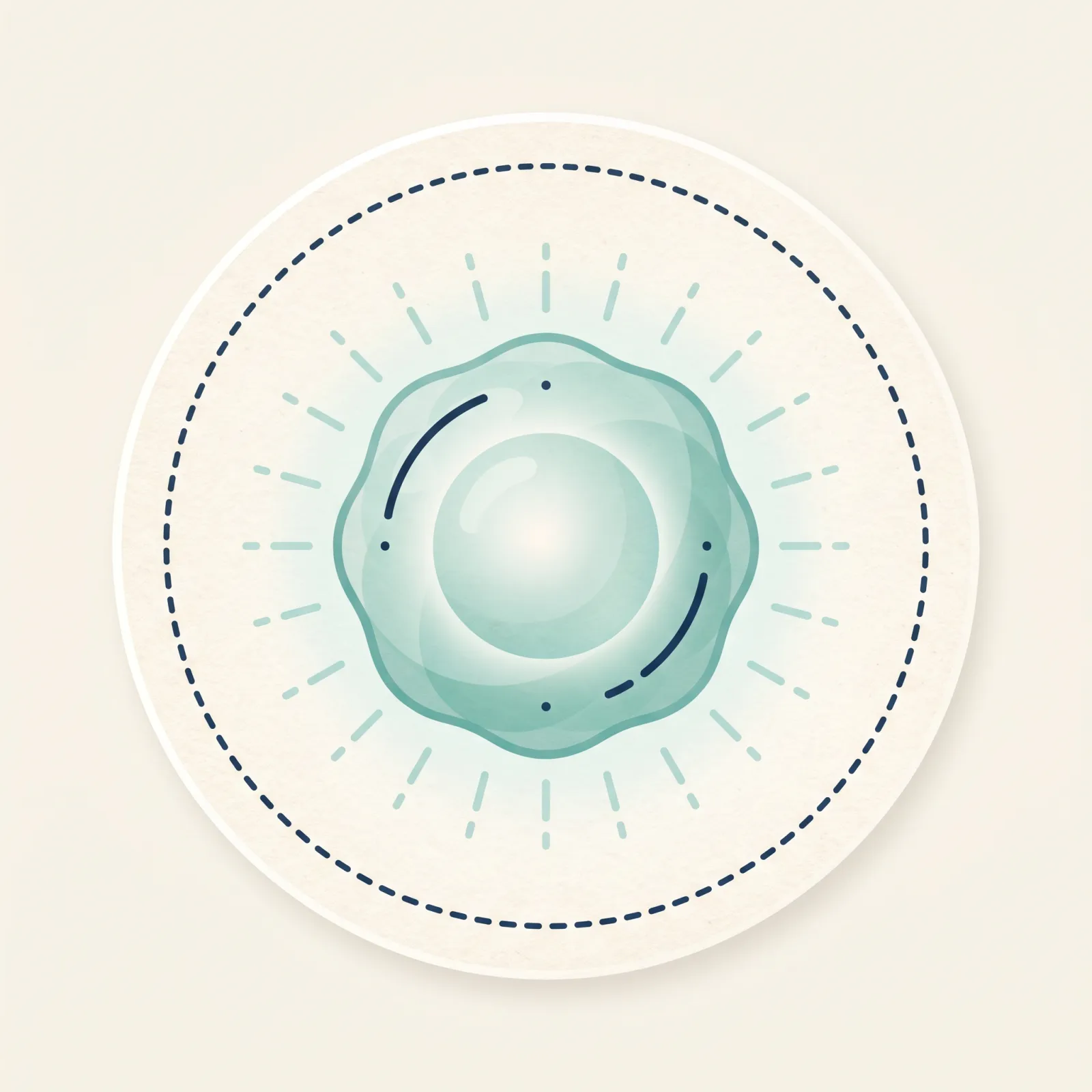
2Treat it in placeImmune drugs go into that exact spot, in the same session.
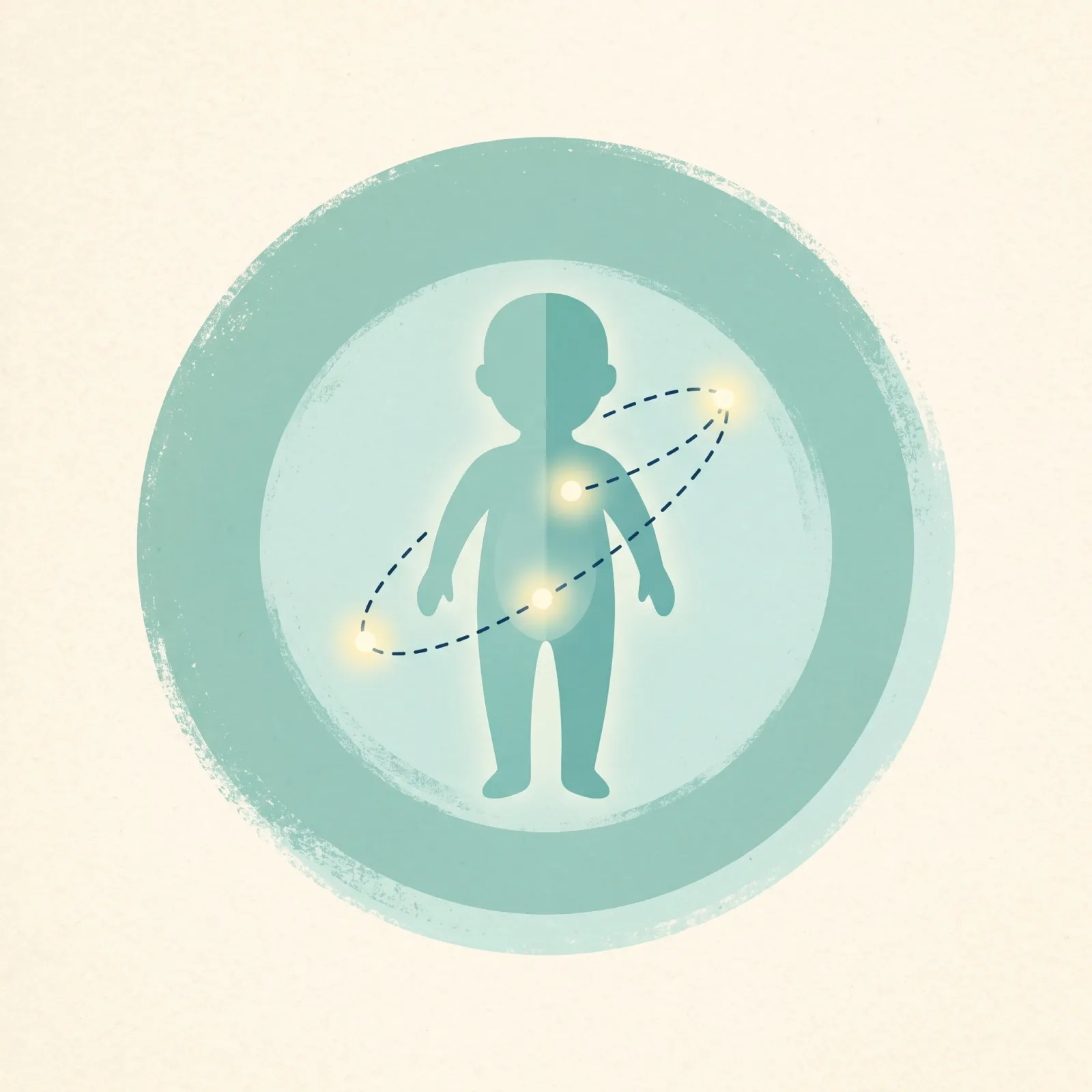
3Teach the whole bodyThe immune system learns the cancer at one tumor and goes after it everywhere else. Doctors call this the abscopal effect. It does not stop there: the cycle below keeps it going.
Video (1:22): Why do electricity and immunotherapy work so well together? Dr. Williams explains AblationVax.
After step 3: how AblationVax keeps working

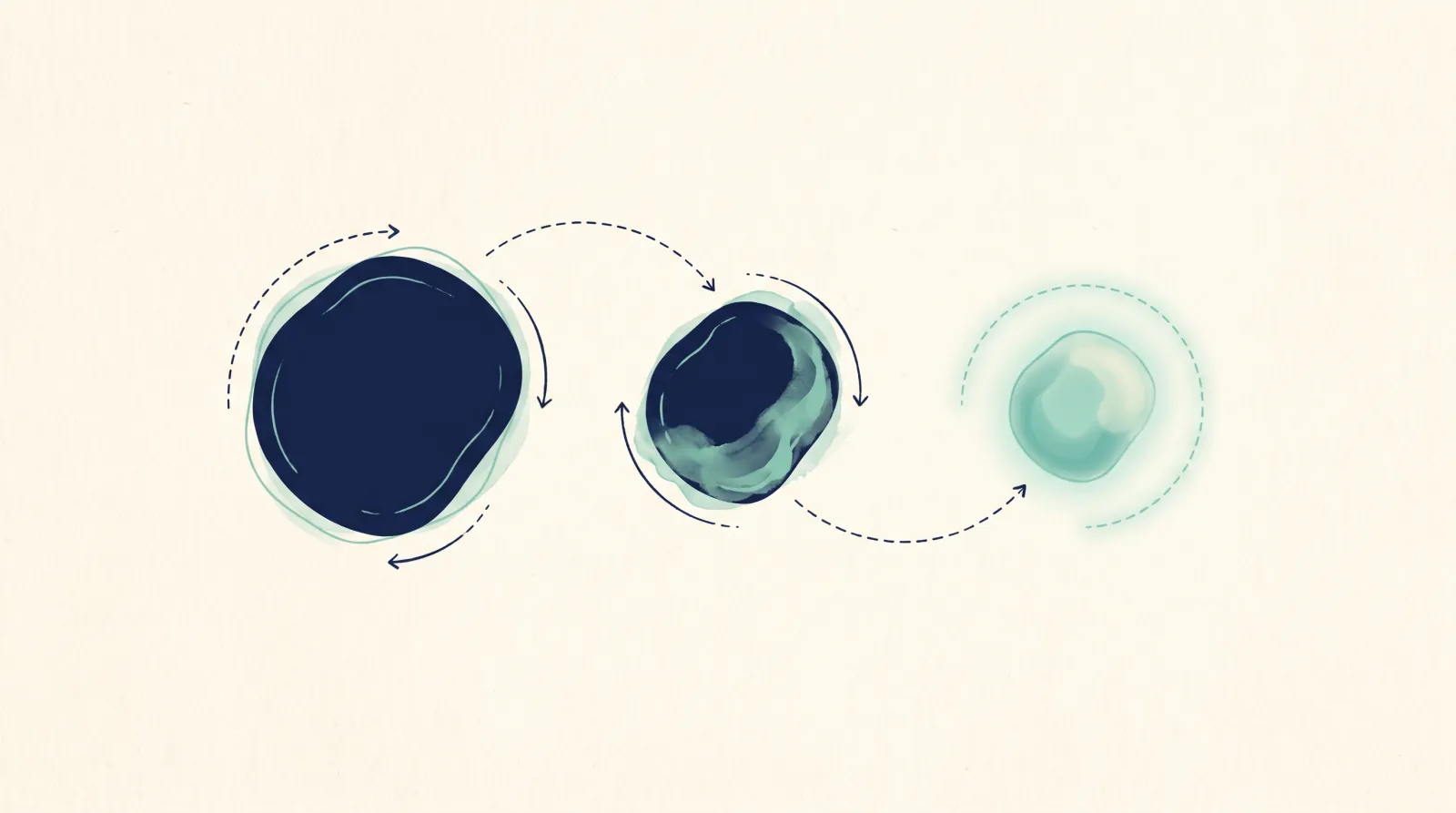
The intratumoral immune conversion cycle

The treated tumor is the source of the vaccine, and it keeps supplying it. It is not one exposure and done. Every round of tumor cells the immune system destroys exposes new antigens, and those restart the cycle, so the response keeps spreading: broader, throughout the body, and with memory. It turns a “cold” tumor, one the immune system ignores, “hot”.

01DisruptAblation breaks the tumor open and exposes its antigens, the markers the immune system uses to recognize the cancer: not a few, all of them.
02Prime and recruitImmune drugs in that same spot call immune cells in and show them the cancer.
03Activate and co-stimulateCo-stimulation is a second go-signal. Those immune cells are switched on against the antigens the ablation just exposed.
04ReleaseThe checkpoint drugs we inject take the brakes off, so the immune system can kill tumor cells.
05DestroyImmune cells destroy tumor cells, and every cell they kill exposes new antigens.
06RepeatThe new antigens restart the cycle: re-priming, amplifying and spreading the response.

Card 06 leads back to card 02. Doctors call the widening response epitope spreading.

Most cancer vaccines: outside-inMade outside the body from a few pre-selected antigens, the same for everyone, then injected. The response is limited by the antigens someone chose.
AblationVax: inside-outMade inside your body, from every antigen in your own tumor. A vaccine made for one person: you. Not a patch: a rebuilding of the immune system from within.

Treats tumors next to vessels, without heat

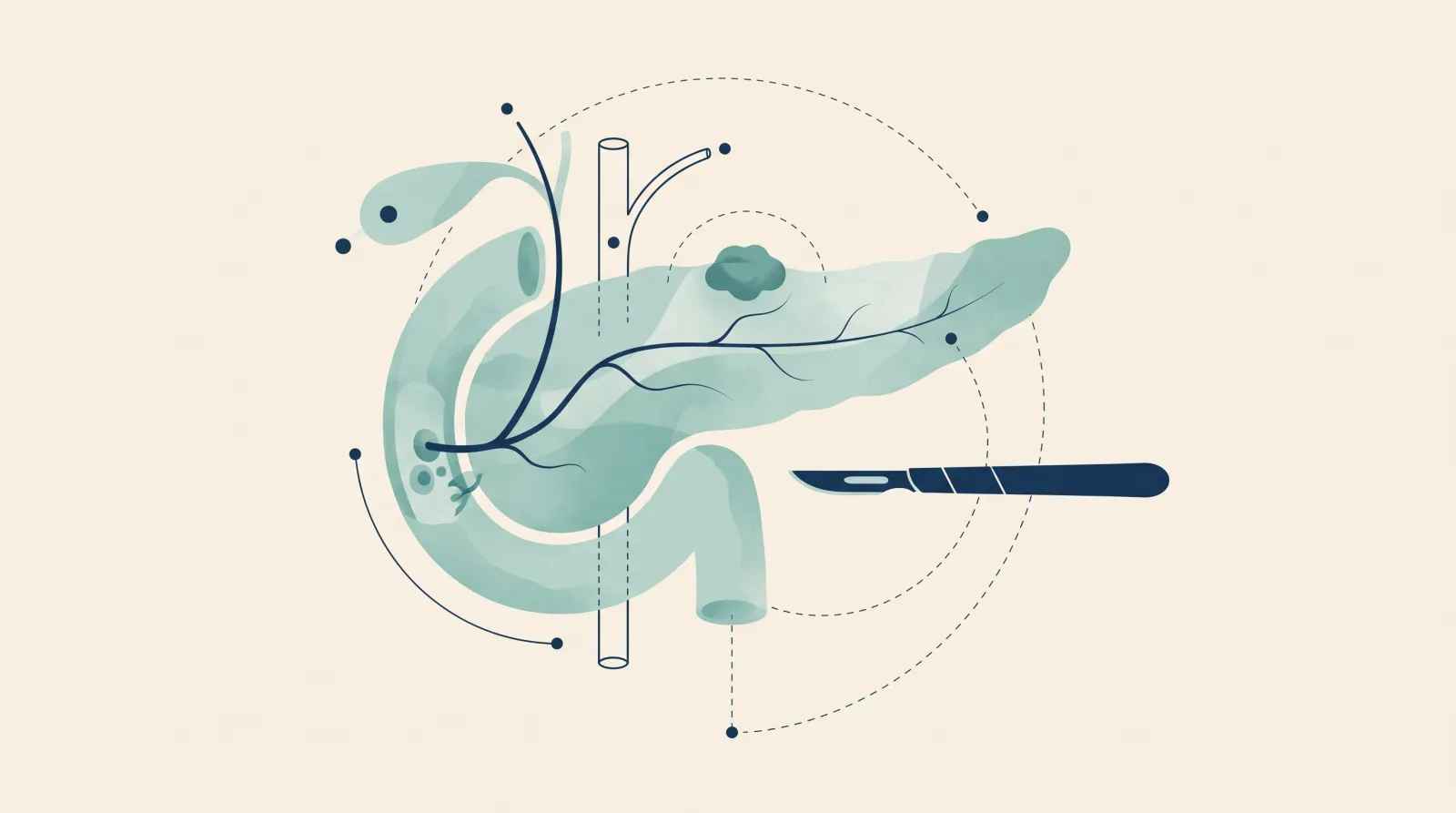
Colorectal cancer spreads to the liver and pelvis, often against large blood vessels. Pulsed electric fields break tumor cells open without heat, so we can treat beside the liver's main vein and artery, where a hot probe could not go. For cancer that is mostly in the liver, immune drugs can also be given through the liver's own artery, by a thin tube passed in from the groin or wrist.

Aims to make an ignored tumor visible

An MSS tumor keeps immune cells out. Breaking it open releases its markers and danger signals, and the drugs we inject push the immune system to respond. That is the gap standard immunotherapy leaves open.

A short procedure, not an operation

About an hour under image guidance, and most people go home the same day, about two hours later.

A lasting response beyond the treated spot

Treating one tumor builds immune memory against cancer elsewhere that was never treated. The cycle above is how that memory is built and kept refreshed.

Is this for you?

Where this fits, stage by stage

Where your cancer is, and whether it is MSS or MSI-high, decides where we fit. Your pathology report says which. Pick the card that sounds like your diagnosis. Whether this is right for you is decided case by case, by a physician reading your records, so no list here is a verdict. If unsure, send the records.

Early (stage I–III)

The cancer has not spread beyond the bowel and nearby nodes. Standard care is surgery, often followed by chemotherapy, and it is the right first move. That comes first; in selected cases we work alongside it.

Oligometastatic (liver- or lung-limited)

The cancer has spread, but only to a few spots in the liver or lungs. Ablation of those spots (treating them through a needle) is already an accepted treatment. We also inject immune drugs into the treated spot, aiming for a response beyond the treated sites.

Metastatic MSS

The cancer has spread, and your report says MSS, which is most people. Chemotherapy with add-on drugs is standard; checkpoint immunotherapy alone has not worked for MSS. We treat a tumor directly, aiming to bring immune cells into a tumor that kept them out.

Metastatic MSI-high

The cancer has spread and your report says MSI-high (also written dMMR). Standard care is checkpoint immunotherapy, which often works well. If it has stopped working, we may be an option in selected cases.

You may be a candidate if:

Your colorectal cancer has spread, and one of these:

  • It is growing despite chemotherapy and the add-on drugs
  • It is growing despite a targeted drug for a gene change named on your report (BRAF, HER2 or KRAS G12C)
  • It is mostly in the liver
  • It is MSI-high and growing on checkpoint immunotherapy
  • You want to add immune treatment to the plan you are on
  • You are looking for options beyond your home country

It may not be suitable if:

  • The cancer is spread across the lining of the abdomen with no single tumor to target
  • Your liver is failing
  • You have a serious infection, or a bleeding problem that cannot be corrected first
  • You are very unwell

Each case is individually evaluated by the Williams Cancer Institute team.

How it works

From first call to treatment, in five steps

A call with a care counsellor, a review of your records and images by our tumor board, and a video consultation come first. Consultations to determine eligibility and design your treatment plan are always free of charge. Treatment itself is in Los Cabos, Mexico, and is private pay. Final costs are determined during the treatment plan design.

  1. 01Free

    Your first call

    A care counsellor calls at the time you picked, walks you through what happens next, and explains how to send your records.

  2. 02Free

    Send your records

    Your recent scans as image files (DICOM format, from the imaging center), with the written reports, clinic notes, pathology and any genetic test reports.

  3. 03Free

    Tumor board review

    Your records and images are reviewed free of charge by our highly qualified team of doctors. They decide from your imaging whether a needle can reach the tumor safely.

  4. 04Free

    Video consultation

    Qualified patients are offered a cost-free video consultation with a member of our clinical staff, to go through what the tumor board found. Final costs are determined during the treatment plan design.

  5. 05Private pay

    Scheduling treatment

    Once your treatment plan is ready, we schedule your treatment in Los Cabos, Mexico. Under imaging, a needle breaks the tumor open, usually with electrical pulses, then delivers immunotherapy into the same spot. Procedure about an hour, recovery about two. Most people go home the same day; some procedures need general anesthesia or an overnight stay.

For step 02

What to send

  • Recent imaging: the DICOM files and their written reports
  • Recent clinic or treatment notes
  • The pathology report, if a biopsy has been done
  • Any completed genetic test reports

Our doctors review them free of charge. If something is missing, we ask for it rather than hold it against you.

For step 05

What to expect

Your physician confirms the details for your case.

Procedure
About an hour. Most people go home the same day.
Anesthesia or a stay
Conscious sedation is the predominant anesthesia used. It is rare that procedures require general anesthesia or an overnight stay. Your physician tells you which.
Number of treatments
Determined during the treatment plan design.
First check-up
6 to 8 weeks after the last treatment: a scan, and blood tests for your cancer type.
Your oncologist
Kept informed throughout.
Risks

Your physician goes through the risks for your case before anything is decided.

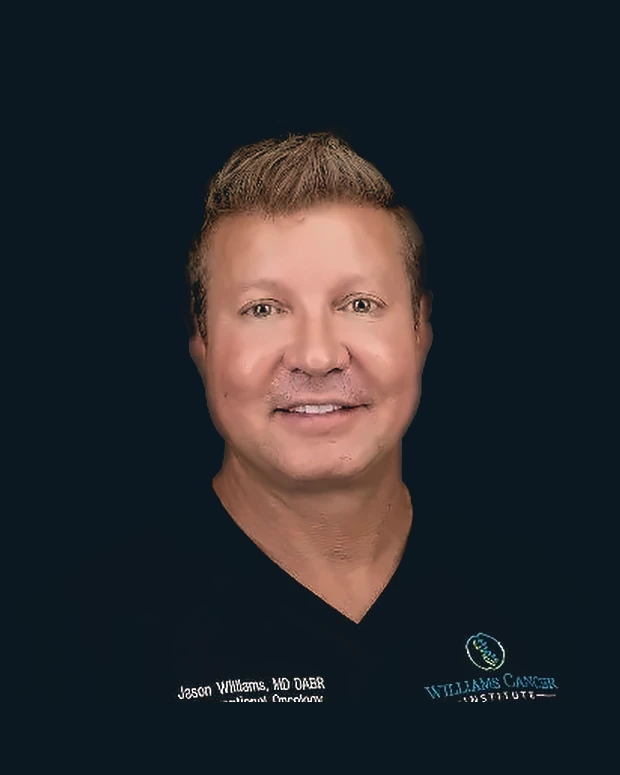
Dr. Jason R. Williams
Jason R. Williams, MD, DABRInterventional oncology
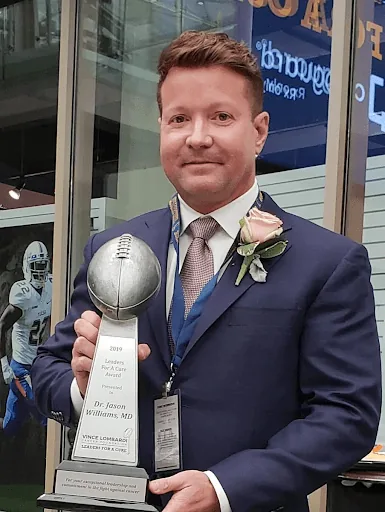
Dr. Williams holding the 2019 Vince Lombardi Cancer Foundation Leaders For A Cure award
Leaders For A Cure2019 · Vince Lombardi Cancer Foundation
The physician who decides every case

Dr. Jason R. Williams

MD, DABR · Director of Interventional Oncology and Immunotherapy

Dr. Jason Williams is a board-certified radiologist who has spent his career putting needles into tumors under imaging. His first patent, in 2003, covered ablation combined with immunotherapy injected into the tumor. A physician since 2000, he opened his first ablation center in 2004 and completed his residency in 2007. He also co-founded Syncromune, whose separate investigational drug SV-102 holds FDA Fast Track status. His tumor board reviews every case.

The team

The people who look after you in Los Cabos

Tap a photo to read their background.
Where treatment happens

Our hospital in Los Cabos, Mexico

If treatment goes ahead, it takes place in Los Cabos, Mexico, in a modern private hospital setting. Your care team plans each step with you before you travel.

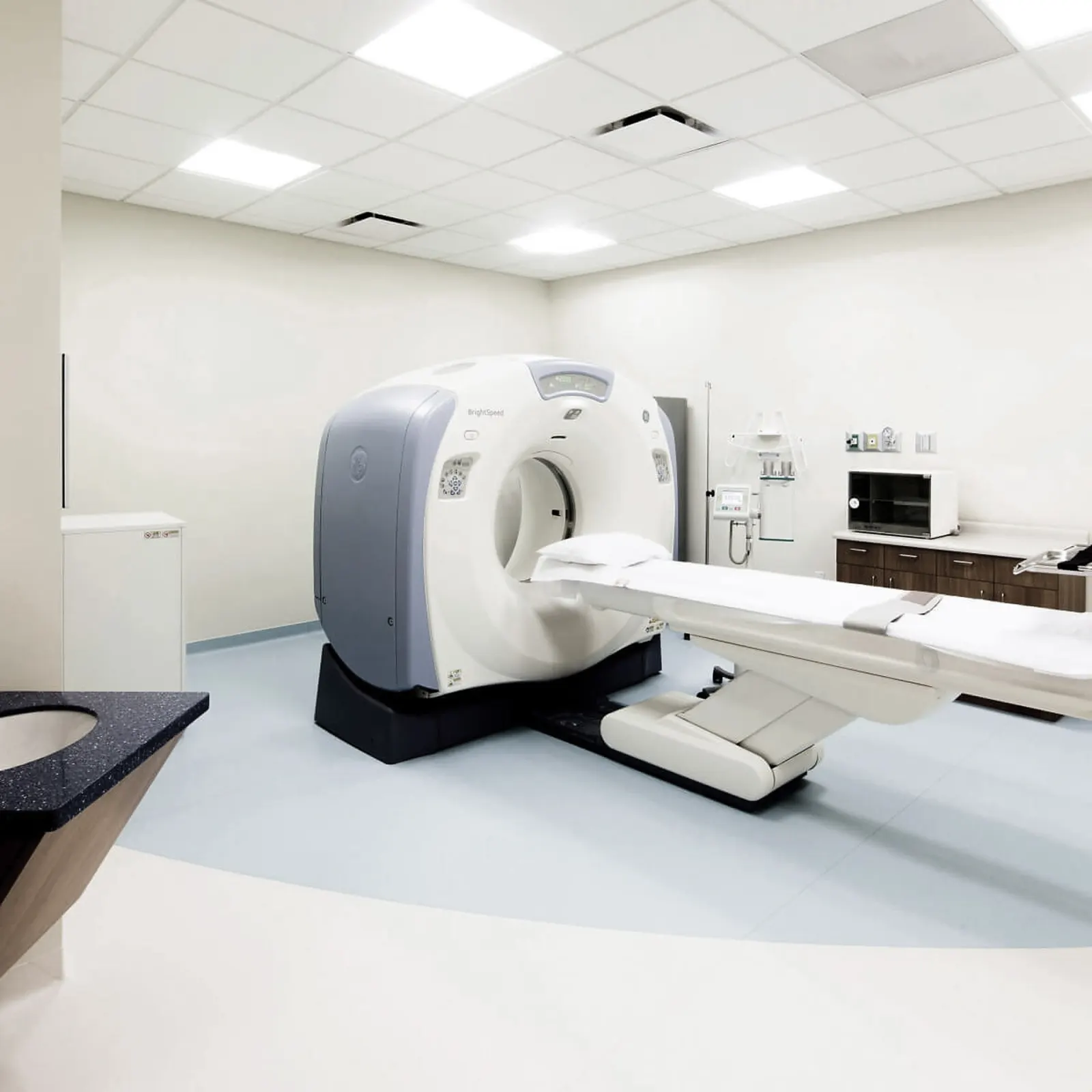
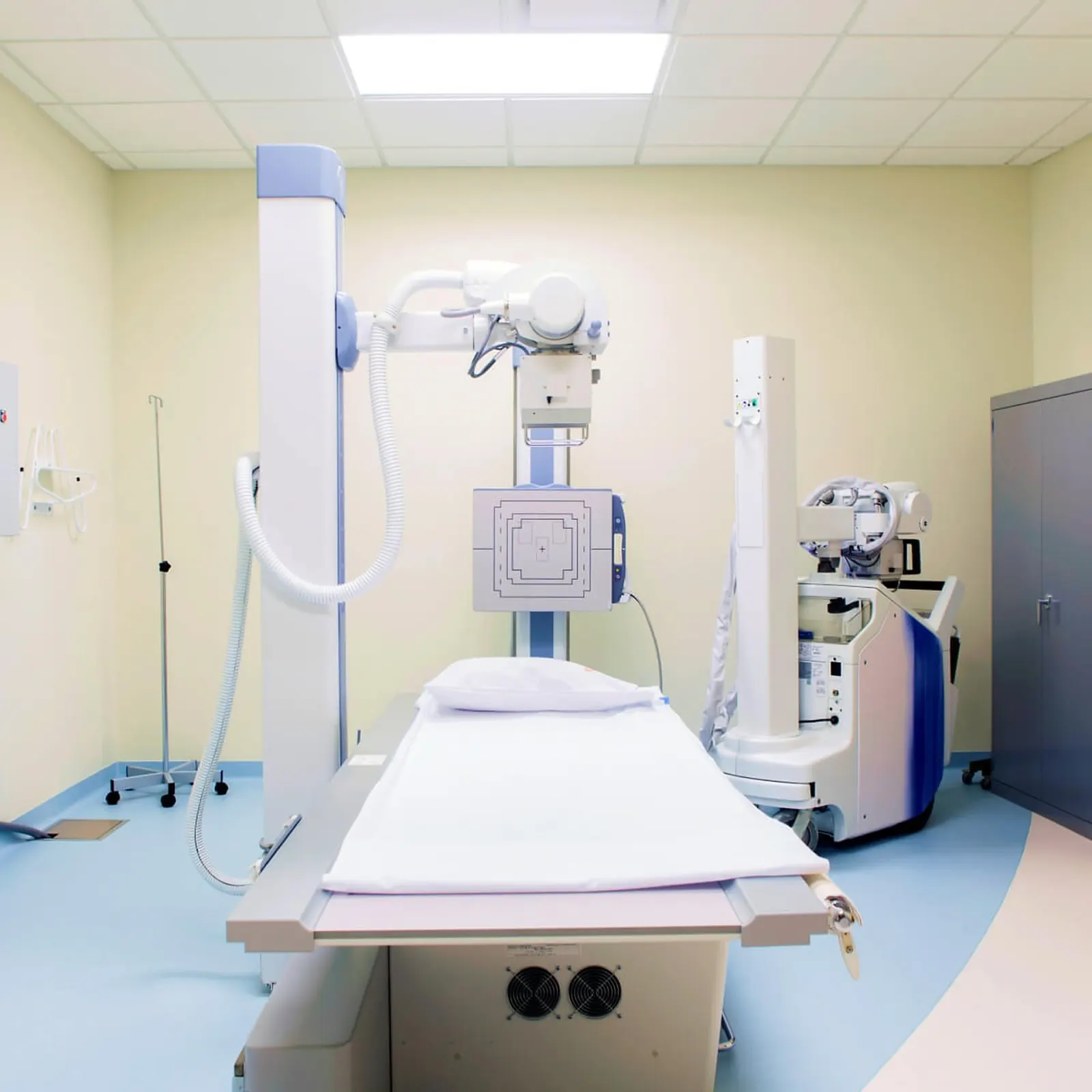
  • Imaging on site, including CT, ultrasound, MRI and digital radiology, for image-guided procedures.
  • Private patient rooms. When a stay is needed, nursing care is on the inpatient floor.
  • About fifteen minutes from Los Cabos International Airport (SJD), with direct flights from most major US cities.

Consultations are by video. Nothing about travel is arranged until a physician has read your records and agreed that treatment makes sense.

Aerial view of the Los Cabos marina at sunset
Los Cabos
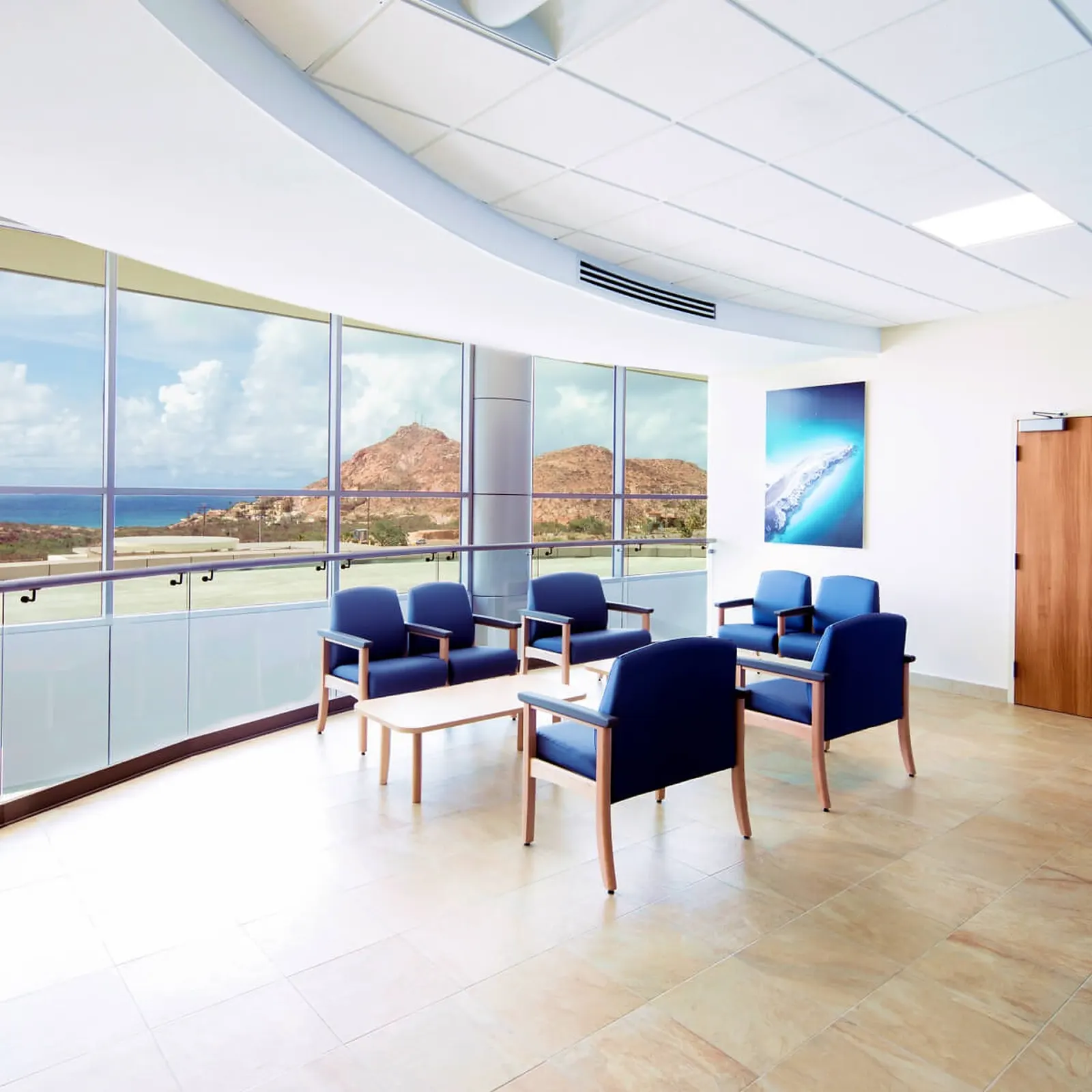
Waiting lounge overlooking the Sea of Cortez
Patient lounge
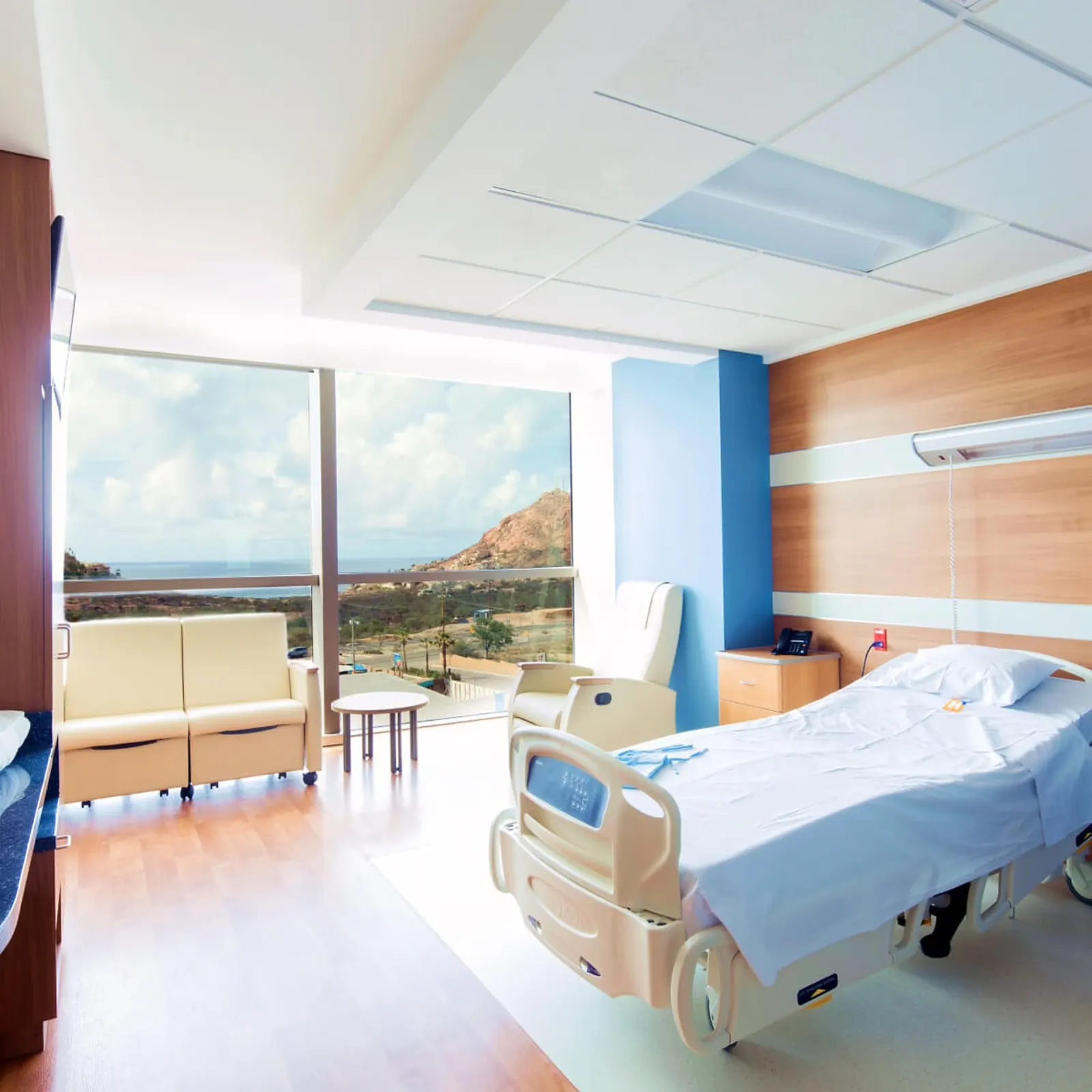
Private patient room with ocean view
Private room
CT procedure suite
Procedure suite
Digital radiology room
Radiology
Patient accounts

In their own words

Accounts Williams Cancer Institute publishes, shared with each patient's permission. They span different cancers. Individual results vary and are not guaranteed.

Erin BStage 2 invasive ductal breast cancer

When Erin Bacon called to cancel her double mastectomy, doctors told her she was going to die. The 33-year-old American Airlines worker from Florida had been diagnosed with stage two breast cancer in February 2022 after she found a large lump behind…

Read the full account →
Chris CLarge B cell lymphoma (Stage 2)

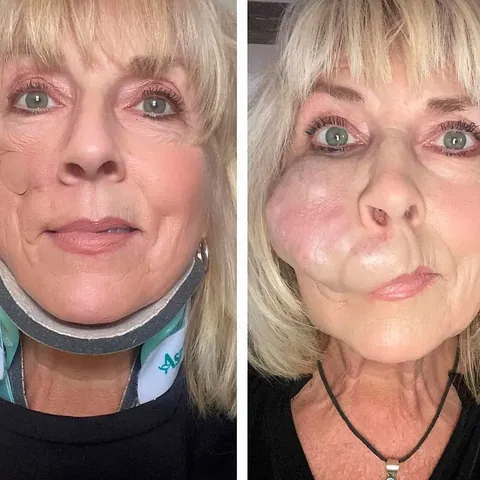
This IS the day the Lord has made and we ARE rejoicing and so very glad for it!! Please join us in thanking God for His healing hand upon me. We received the news yesterday that the 5 biopsies I had done in my cheek all came back negative for…

Read the full account →
Mona TBreast cancer (Recurrent primary malignant neoplasm of the left female breast)

Oh my, what do you say when your life has been given yet another chance!! When I first met Dr.Williams, I watched him do the newest procedure of that day. I was completely and absolutely awed. He later asked me what I thought! I told him I felt like…

Read the full account →
Whitney MBreast cancer (Malignant Neoplasm left breast - Stage 2A)

I had a wonderful experience with The Williams Cancer Institute. The cryoablation and immunotherapy surgery was a breeze. They answered all my concerns and treated me with great support, kindness and patience. The staff took excellent care of me…

Read the full account →
Rob BStage 4 NSCLC (Non-Small Cell Lung Cancer) with metastasis to the lymph nodes

I’m so grateful to Dr Williams and his team. It was a big step to go from Sydney, Australia to Mexico City for his treatment but it’s all been worthwhile. I was stage 4 NSCLC with mets to my lymph nodes. His recommended treatment, supplement regime…

Read the full account →
Charles MStage 4 Prostate Cancer

I was diagnosed with advanced prostate cancer in July 2018. After several high PSA readings, a biopsy and MRI were scheduled and revealed significant cancer in the prostate with a Gleason 3+4=7 score with extracapsular extension along with a lymph…

Read the full account →
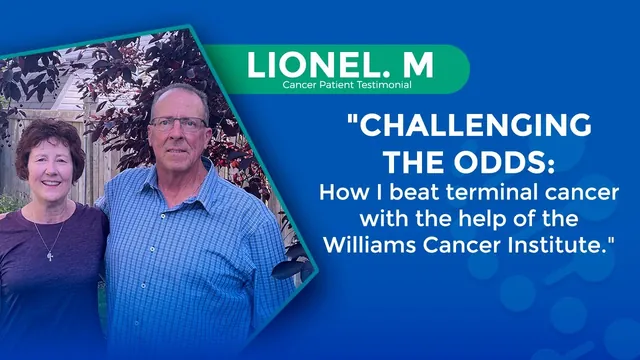
Lionel M. part 1I was diagnosed with terminal Hepatocellular Carcinoma, the prognosis from my oncologists was that I not survive much…
David MStage 4 Prostate Cancer

I am a patient of Dr. Jason Williams; I was first diagnosed with prostate cancer in 2011. After following traditional medicine for several years, my cancer spread. On November 25, 2020, I was diagnosed with stage 4 Prostate Cancer, with multiple…

Read the full account →
Mary CLung cancer (Primary malignant neoplasm of lung)

The world is so blessed to have Dr. Jason Williams eager to kill cancer one tumor at a time! He was inspired as a young man by the death of his grandmother to cancer. I was fortunate enough to have him do ablation on my lung.

Read the full account →
Tina WillitsStage 4 Breast Cancer

My name is Tina Willits and in March 2022 I was diagnosed with Stage IV breast cancer that had spread to my lymph nodes and bones. As a fifty one year old wife, mother and grandmother, I was determined to find a path to becoming cancer free and find…

Read the full account →
Allen RappertStage 4 squamous cell sinus cancer

“I’m one that doc Williams saved. Stage 4 squamous cell sinus cancer eating into my orbital bone and skull bone 10 days away from eating into my brain. 3 treatments later the low dose chemo cocktail and heat ablation ate 85% of the tumor on the way…

Read the full account →
Cherly MStage 4 Lung Cancer with metastasis to the spine

I am a patient of Dr Jason Williams from 9 years ago, I had stage 4 Lung Cancer with mets to my spine. My journey sent me to Dr Williams after consulting with the top cancer doctors in the USA. I researched my cancer and the stats at the NCI…

Read the full account →
Melanie BBreast cancer (Stage 4)

In February 2012, I was at home in Maryland when I felt an irregular lump in my chest and quickly made a doctor’s appointment. “Come to find out, I had the most aggressive breast cancer my doctor had ever seen in 35 years of practice,” I said. “It…

Read the full account →
Dianne CzupilStage 2 HER2-positive breast cancer

I was diagnosed with Her2+ breast cancer in the Spring of 2023. After meeting with several traditional oncologists, I decided to look for a more holistic treatment approach, and our research led us to the Williams Cancer Institute. Since that time…

Read the full account →
Videos

Colon and Rectal Cancer on video

Selected Colon and Rectal Cancer videos from the Williams Cancer Institute channel. Patient stories are shared with each patient's permission. Individual results vary.
The full Colon and Rectal Cancer playlist on the Williams Cancer Institute YouTube channel.
Next step

Send what you have

Send us the scans and reports you already have. The team reads them and tells you, in plain words, whether this approach could fit you and what the next step would be. No cost, no obligation. If you go ahead, your own oncologist is kept informed throughout.

info@williamscancerinstitute.com

Los Cabos

This page is general information. It doesn't replace a consultation with one of our doctors. The eligibility check is a screen, not a diagnosis.

Email Signup